Exploring the hidden psychology behind gambling habits
The Allure of Risk and Reward
The psychology of gambling is deeply intertwined with the concepts of risk and reward. Many gamblers are driven by the thrill of potentially winning large sums of money. This excitement activates the brain’s reward center, releasing dopamine and creating feelings of pleasure. This neurochemical response can lead to a cycle of seeking out gambling as a form of entertainment, often overshadowing the risks involved. As you delve into the nuances of this exciting activity, you might find interesting insights at https://royalreelscasino-online.com/, where structured gameplay meets generosity.
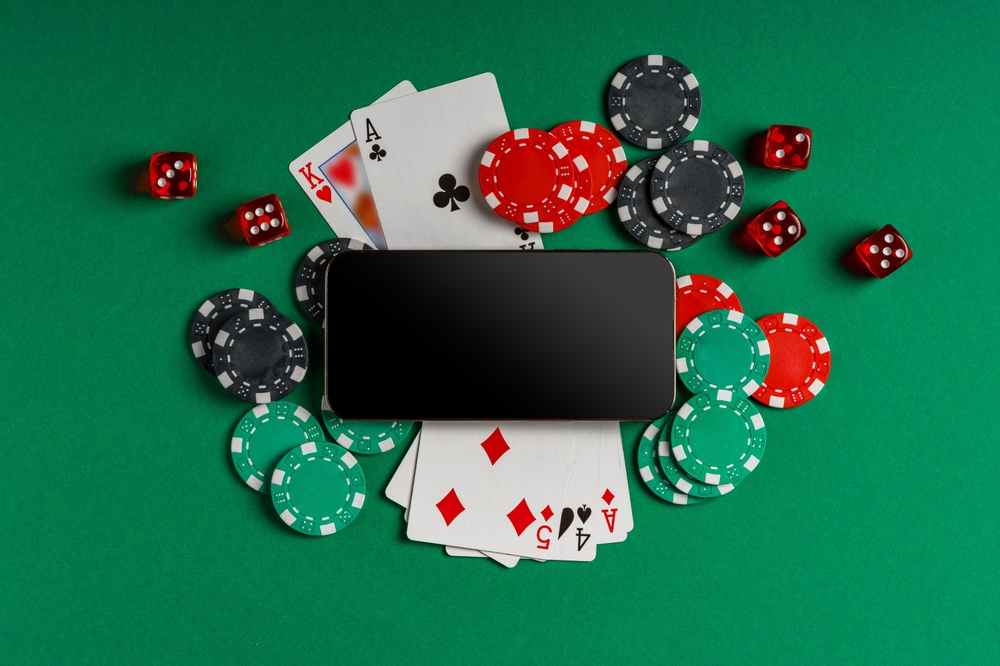
Furthermore, the element of uncertainty plays a crucial role in this behavior. The unpredictable nature of gambling can be exhilarating, prompting players to engage repeatedly. This uncertainty can create a false sense of control, where players believe they can influence outcomes despite the underlying randomness of games.
The Role of Cognitive Biases
Cognitive biases significantly impact gambling behaviors. One common bias is the illusion of control, where individuals believe they can predict or influence the outcome of a game through skill or strategy. This misconception can lead to increased gambling frequency and larger bets, as players underestimate the randomness of their choices.
Another prevalent cognitive bias is the gambler’s fallacy, where individuals mistakenly believe that past outcomes influence future results. For instance, if a player sees several losses in a row, they might believe that a win is “due,” thus encouraging further gambling. These biases illustrate how our thought processes can distort reality, making gambling more appealing and dangerous.
Social Influences on Gambling
Social factors also play a significant role in shaping gambling habits. Cultural attitudes toward gambling can affect individuals’ perceptions and behaviors. In environments where gambling is normalized or glamorized, people are more likely to participate, often viewing it as a social activity rather than a risky endeavor.
Additionally, peer pressure and social networks can encourage gambling. Friends or family members who gamble can influence individuals to join in, leading to a sense of belonging and shared experience. However, this social context can also mask the negative consequences of gambling, making it harder for individuals to recognize when their behavior is problematic.
The Impact of Emotional States
Emotions significantly influence gambling behavior, often driving individuals to gamble as a means of coping. Stress, anxiety, and depression can lead individuals to seek escape in gambling, viewing it as a way to alleviate negative feelings. This escape can provide temporary relief, but it often exacerbates underlying emotional issues.
Furthermore, the emotional highs of winning can create a powerful reinforcement loop. Winners may experience a surge of confidence and excitement, reinforcing their desire to gamble more. Conversely, losses can lead to feelings of frustration and desperation, pushing individuals to gamble in an attempt to recover lost funds, often leading to a vicious cycle.

Discover the Unique Experience at Royal Reels Casino
Royal Reels Casino provides a unique gaming experience, catering to those who appreciate both quality and reliability. With a wide array of high-quality slot games and live dealer options, the platform ensures players have an engaging and enjoyable experience while exploring their gambling habits.
Understanding the psychology behind gambling can enhance your awareness of your own habits. At Royal Reels Casino, players can not only enjoy exciting games but also do so within a secure environment, complete with robust security measures and a focus on responsible gaming. Join today to experience the thrill of gaming while staying mindful of your gambling habits.